Source luxury european antique wall lamp for Hotels, Restaurants, and Homes
Find 30 luxury european antique wall lamp options from verified suppliers. Compare specifications like E27 bases, CE and RoHS certifications, and styles including brass and chrome finishes for diverse interior needs.
Key considerations
Products List


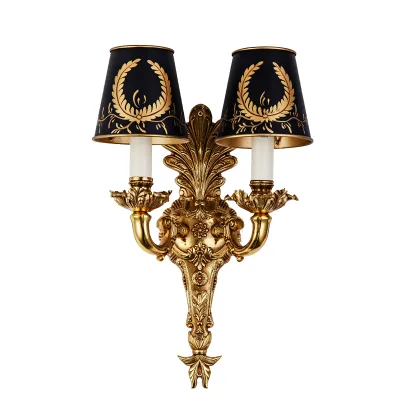
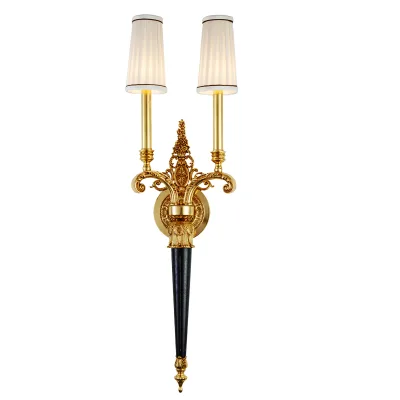


Comprehensive Sourcing Guide
Strategic Sourcing Guide for Luxury European Antique Wall Lamps
Defining the Product Category and Technical Parameters
Sourcing a luxury European antique wall lamp requires a precise understanding of the intersection between aesthetic design and functional electrical specifications. The term "antique" in this context often refers to a specific stylistic lineage—characterized by ornate detailing, classical motifs, and a finish that evokes historical craftsmanship—rather than the actual age of the fixture. When evaluating potential inventory, buyers must distinguish between products that are genuinely vintage and those that are modern reproductions designed to mimic historical aesthetics. The observed market data indicates a diverse range of models, including specific identifiers such as model numbers 701, CSL009, MPL017, 700, 201109, and WL-180603. These identifiers suggest a high degree of customization and variety in the supply chain, allowing buyers to source fixtures that align with specific interior design narratives.
The technical foundation of these fixtures is critical for safety and performance. The electrical ratings observed in the market data reveal a standard voltage compatibility of 250V and 220V, with a rated current of 4A. This dual-voltage capability is essential for international procurement, particularly when targeting markets in Europe and Australia, where electrical standards vary. The bulb holder interface is predominantly of the Screw Cap variety, specifically utilizing the E27 lamp base. This is the most common standard for residential and commercial lighting in many regions, ensuring a wide availability of compatible light sources. However, buyers must verify if the specific antique fixture requires a specific bulb type, as some designs may be optimized for LED sources while others accommodate traditional incandescent or halogen bulbs. The market data confirms the availability of fixtures with and without integrated light sources, offering flexibility for buyers who prefer to source bulbs separately or those seeking plug-and-play solutions.
Compliance, Certification, and Safety Standards
In the B2B procurement of lighting fixtures, compliance is not merely a formality but a fundamental requirement for market access and liability protection. The European antique aesthetic must not compromise the rigorous safety standards mandated by the destination markets. The observed product data highlights a consistent presence of CE and RoHS certifications. The CE marking indicates conformity with health, safety, and environmental protection standards for products sold within the European Economic Area. RoHS compliance ensures that the manufacturing process restricts the use of specific hazardous materials, which is a critical requirement for modern electronics and lighting components.
Beyond these baseline certifications, the market data reveals a tiered approach to compliance. Some product entries list additional certifications including UL (Underwriters Laboratories), VDE (Verband der Elektrotechnik), and CCC (China Compulsory Certification). The inclusion of UL and VDE is particularly significant for buyers targeting North American or German-speaking markets, as these standards often exceed the baseline requirements of CE. For instance, a model with UL, VDE, and CCC certifications suggests a higher level of quality control and adherence to international safety protocols. Buyers must verify that the specific antique wall lamp they intend to purchase carries the certifications required for their specific target market. Relying solely on the general "CE" label without verifying the specific scope of the certification can lead to customs delays or legal liabilities.
Furthermore, the material composition plays a role in compliance. The observed data mentions frame materials such as Chrome, Iron, and Porcelain. Porcelain is a traditional material often associated with antique designs, offering durability and heat resistance. However, the use of metals like Iron and Chrome requires specific plating and coating processes to prevent corrosion and ensure fire safety. Buyers should request material safety data sheets (MSDS) to confirm that the finishes used on these metal components do not release harmful substances under high-temperature conditions, aligning with RoHS and REACH regulations.
Cost Drivers and Pricing Dynamics
The pricing of luxury European antique wall lamps is influenced by a complex matrix of factors, including material costs, craftsmanship complexity, certification breadth, and order volume. The observed price range in the market spans from $0.30 to $3,500 USD, a disparity that reflects the vast difference between mass-produced decorative items and high-end, hand-finished luxury fixtures. The lower end of this spectrum likely corresponds to simpler designs with standard finishes and minimal customization, while the upper end represents intricate pieces with premium materials, custom finishes, and comprehensive certification packages.
A primary cost driver is the customization capability. The market data explicitly notes that customization is available, and OEM (Original Equipment Manufacturer) services are welcome. This flexibility allows buyers to tailor the fixture to their specific branding or design requirements, but it inevitably increases the unit cost. The degree of customization—whether it involves altering the finish color (Brass, Golden, Black, Silver, Rose), modifying the frame material, or adjusting the dimensions—directly impacts the manufacturing time and material waste.
Another significant factor is the Minimum Order Quantity (MOQ). The observed MOQ range is between 1 and 3,800 units, with a specific data point indicating an MOQ of 500 PCS for certain models. High MOQs are typical for custom or semi-custom orders to amortize the setup costs of tooling and production lines. Buyers must balance the desire for lower unit costs against the financial risk of holding large inventory. For smaller orders, the unit price will naturally be higher due to the lack of economies of scale. Additionally, the packaging method, such as Carton Packing or Foam Package, contributes to the overall cost, especially for fragile antique-style fixtures that require robust protection during transit. The standard packing dimensions observed, such as 54cm25cm15cm or 354530, also influence shipping costs, as volumetric weight is a key determinant in logistics expenses.
Typical Applications and Market Fit
The application of luxury European antique wall lamps extends beyond simple illumination; they serve as focal points in interior design, adding character and historical depth to a space. The market data identifies specific target markets, including Europe and Australia, and notes applicability in commercial settings such as restaurants. The "European" and "Antique" styles are particularly well-suited for environments that aim to evoke a sense of tradition, elegance, and warmth. In a restaurant setting, these fixtures can create an intimate atmosphere, guiding the lighting to specific areas without overwhelming the space.
The design variations observed, such as the "Round" shape and "Modern" or "European" style classifications, suggest versatility in application. While the "Antique" style is the core keyword, the presence of "Modern" and "European" styles indicates that the supply chain offers a spectrum of designs that can bridge historical aesthetics with contemporary functionality. For example, a fixture with a "Brass" or "Golden" frame color and a "Chrome" or "Iron" frame material can be used in high-end hospitality venues, boutique hotels, or luxury residential spaces. The "Rotary/Button" and "Touch Switch" options further enhance their suitability for various control systems, allowing integration into smart home environments or traditional switch panels.
The specific model numbers, such as CSL009 or WL-180603, may correspond to specific design lines that are optimized for certain applications. Buyers should analyze the "Beaming Angle" of 60° observed in the data to determine the light distribution. A 60-degree angle is generally suitable for accent lighting or general illumination in medium-sized rooms, making these fixtures ideal for hallways, dining areas, or living rooms where a focused yet warm glow is desired. The "Without Light Source" option is particularly advantageous for buyers who wish to source bulbs that match the specific color temperature and dimming requirements of their interior design scheme.
Supplier Evaluation and Production Capabilities
Evaluating a supplier for luxury European antique wall lamps requires a deep dive into their production capabilities, quality control systems, and logistical reliability. The origin of the products is consistently listed as China, with specific mentions of Fuzhou as a production hub. Fuzhou is a known manufacturing center for lighting and hardware, but the quality of output can vary significantly between factories. Buyers must look beyond the generic "China" origin and assess the specific factory's experience with antique-style finishes and complex metalwork.
The availability of OEM services is a strong indicator of a supplier's flexibility and capacity to handle custom orders. However, buyers should verify the supplier's ability to maintain consistency across large batches. The "Antique" aesthetic relies heavily on the finish and texture, which can be difficult to replicate perfectly. A supplier with a robust quality control process should be able to provide samples that match the final production run. The lead time, observed as "Within 30 Days," is a critical factor for procurement planning. Buyers must confirm if this timeline applies to stock items or if custom orders require additional time for tooling and finishing.
Certification management is another key aspect of supplier evaluation. A supplier that can provide comprehensive documentation for CE, RoHS, UL, VDE, and CCC certifications demonstrates a commitment to international standards. Buyers should request copies of the actual test reports and certificates, rather than relying on marketing claims. The presence of multiple certifications in the data suggests that some suppliers have invested in rigorous testing protocols, which is a positive sign for long-term reliability. Additionally, the supplier's ability to handle different packaging requirements, from standard carton packing to specialized foam packaging, indicates a level of professionalism in logistics and product protection.
Quality Control and Long-Term Procurement Considerations
Ensuring the quality of luxury European antique wall lamps is paramount, as these products are often expected to last for decades while maintaining their aesthetic appeal. The quality control process should begin at the raw material stage. The use of materials like Porcelain, Iron, and Chrome requires strict inspection for defects such as cracks, uneven plating, or corrosion. The "Antique" finish, which often involves patina or distressing techniques, must be applied consistently to avoid a cheap or artificial appearance. Buyers should establish clear acceptance criteria for the finish quality, including color consistency and texture uniformity.
Electrical safety is another critical area for quality control. The rated voltage of 250V and 220V must be strictly adhered to, and the wiring and insulation must meet the relevant safety standards. The "Screw Cap" interface must be robust to prevent loose connections, which can lead to arcing or fire hazards. Regular testing of the "Touch Switch" or "Rotary/Button" mechanisms is essential to ensure they operate smoothly and safely over time. The "Beaming Angle" of 60° should be verified to ensure the light distribution matches the design intent.
For long-term procurement, buyers should consider the supply chain's resilience and the supplier's ability to scale. The wide MOQ range of 1 to 3,800 units suggests that suppliers can accommodate both small trial orders and large volume contracts. However, buyers should establish a partnership based on clear communication and mutual understanding of quality expectations. The "Carton Packing" and "Foam Package" options indicate that the supplier is prepared for different shipping scenarios, but buyers should verify the durability of the packaging to prevent damage during transit. Finally, the availability of spare parts and the ability to source replacement bulbs or components are crucial for maintaining the fixtures over the long term. By focusing on these quality and logistical factors, buyers can secure a reliable supply of luxury European antique wall lamps that meet their aesthetic and functional requirements.
FAQs
What certifications are available for these wall lamps?
Common certifications include CE, RoHS, UL, VDE, and CCC. Specific models may carry different combinations of these marks, so verify the exact certification list for the model you select to ensure compliance with your target market requirements.
Can I customize the finish color of the lamp?
Yes, customization is available for finish colors such as Brass, Golden, Black, Silver, and Rose. OEM services are welcome, allowing you to tailor the frame color and material to match your specific interior design needs.
What is the typical lead time for delivery?
The delivery date is typically within 30 days. This timeline applies to standard production runs, though custom orders with specific modifications may require additional time depending on the complexity of the requested changes.
Which lamp base types are supported by these fixtures?
The fixtures support the E27 screw cap lamp base. This standard interface allows for compatibility with a wide range of bulb types, including LED sources, though some models are sold without an integrated light source.
What is the minimum order quantity for these products?
The minimum order quantity ranges from 1 to 3800 units, with specific models requiring 500 pieces. Buyers should check the MOQ for their chosen model to ensure it aligns with their inventory planning and budget constraints.
Where are these wall lamps manufactured?
The products originate from China, with specific production hubs located in Fuzhou. This location is a known manufacturing center for lighting and hardware, offering a variety of suppliers capable of producing these fixtures.